Indian food trends have a funny way of coming full circle. Foods that once sat quietly in our grandparents’ kitchens are now showing up in cafés, fitness routines, premium grocery aisles, and social media feeds.
Makhana, sattu, millets, ghee, jaggery, fermented foods, and traditional nuts are all finding a new audience. But this comeback is not simply about nostalgia.
These foods fit what many modern consumers are looking for: familiar ingredients, simple preparation, better nutrition, and less-processed choices.
Here are seven traditional Indian foods making a strong comeback and why younger Indians are paying attention.
7 Old Indian Foods That Are Becoming Popular Again
Traditional Indian foods are being rediscovered in a modern format. The ingredients have not changed much, but the way people consume, package, and talk about them has.
Makhana
Makhana, or fox nuts, has gone from a traditional fasting food to one of India's most recognisable modern snacks.
For generations, makhana was commonly roasted at home and eaten with ghee, salt, or spices. Today, it is being sold as a convenient alternative to chips, namkeen, and other heavily processed snacks.
Its appeal is also practical. Makhana is light, crunchy, easy to roast, and works with both savoury and sweet flavours. That makes it particularly suitable for the modern snacking culture.
Recent Indian food trends show makhana increasingly moving into everyday snacking rather than remaining limited to fasting occasions.
Sattu
Sattu is another traditional staple getting a very modern makeover.
Made primarily from roasted gram, sattu has traditionally been used in drinks, litti, parathas, and other regional preparations. Its roasting process gives it a distinctive nutty flavour while making it convenient to store and use.
Today, you may find sattu in everything from summer drinks to fitness-focused meals. Its combination of plant protein, fibre, affordability, and versatility fits neatly into the growing interest in practical, nutrient-dense foods.
The shift is particularly noticeable among younger consumers and fitness enthusiasts, with sattu increasingly being discussed as a convenient traditional alternative to more expensive wellness products.
Millets
Millets were never really new to India. Bajra, ragi, jowar, foxtail millet, and other varieties have been part of regional Indian diets for generations.
What has changed is their image.
Once associated mainly with rural and traditional diets, millets are now appearing in dosa mixes, cookies, breads, breakfast bowls, snacks, and ready-to-cook products. They have also benefited from India's wider push towards millets as nutrient-dense and climate-resilient grains.
India produced around 185.92 lakh tonnes of millets in 2024–25, showing that these traditional grains remain an important part of the country's agricultural and food ecosystem.
For today's consumer, millets offer something particularly attractive: an Indian alternative to constantly relying on refined flour and highly processed grain products.
Fermented Indian Foods
Fermentation is one of the clearest examples of an old Indian practice becoming a modern food trend.
Idli, dosa, dhokla, kanji, curd, and several traditional pickles have long relied on fermentation. Indian households used these methods for flavour, preservation, texture, and everyday cooking long before terms such as "gut microbiome" became part of mainstream wellness conversations.
Now, fermented foods are being rediscovered for their connection with digestive health and beneficial microorganisms.
The interesting part is that India does not need to import the idea of fermentation. It has been part of Indian kitchens for centuries.
Jaggery
Jaggery has traditionally been used in Indian homes as a sweetener for drinks, sweets, desserts, and seasonal preparations.
Its comeback is closely connected with the growing preference for familiar ingredients and less-refined food choices. Unlike refined white sugar, jaggery retains small amounts of minerals because it undergoes less processing.
However, "natural" does not mean calorie-free or something that can be consumed without limits. Jaggery is still a form of added sugar and works best in moderation.
Its appeal today is also cultural. The deep caramel-like flavour of jaggery brings a distinctly Indian character to everything from chai and laddoos to modern desserts.
Ghee
Ghee has probably had one of the biggest image makeovers among traditional Indian foods.
It was once a normal kitchen staple, used with dal, rice, roti, khichdi, sweets, and countless regional dishes. Then changing ideas about dietary fat pushed it into the background.
Today, ghee is back on modern Indian plates.
Young home cooks and wellness-focused consumers are using it in smaller quantities to add richness and flavour to everyday meals. Artisanal and traditionally prepared ghee has also found a place in the premium food market.
The bigger trend here is not simply "eat more ghee." It is a return to familiar cooking fats while paying closer attention to quantity, quality, and the overall diet.
Traditional Dry Fruits and Nuts
Traditional nuts have always been part of Indian food culture, but they are increasingly being treated as everyday snacks rather than something reserved for festivals or gifting.
Almonds, walnuts, apricot kernels, cashews, and other dry fruits can fit naturally into breakfast bowls, smoothies, snacks, desserts, and homemade trail mixes.
This makes them especially relevant to today's convenience-driven lifestyle. A handful of nuts requires no cooking, travels easily, and can replace highly processed snack options.
There is also growing interest in where these foods come from. Instead of buying anonymous, heavily processed dry fruits, consumers are increasingly looking at origin, freshness, farming practices, and processing.
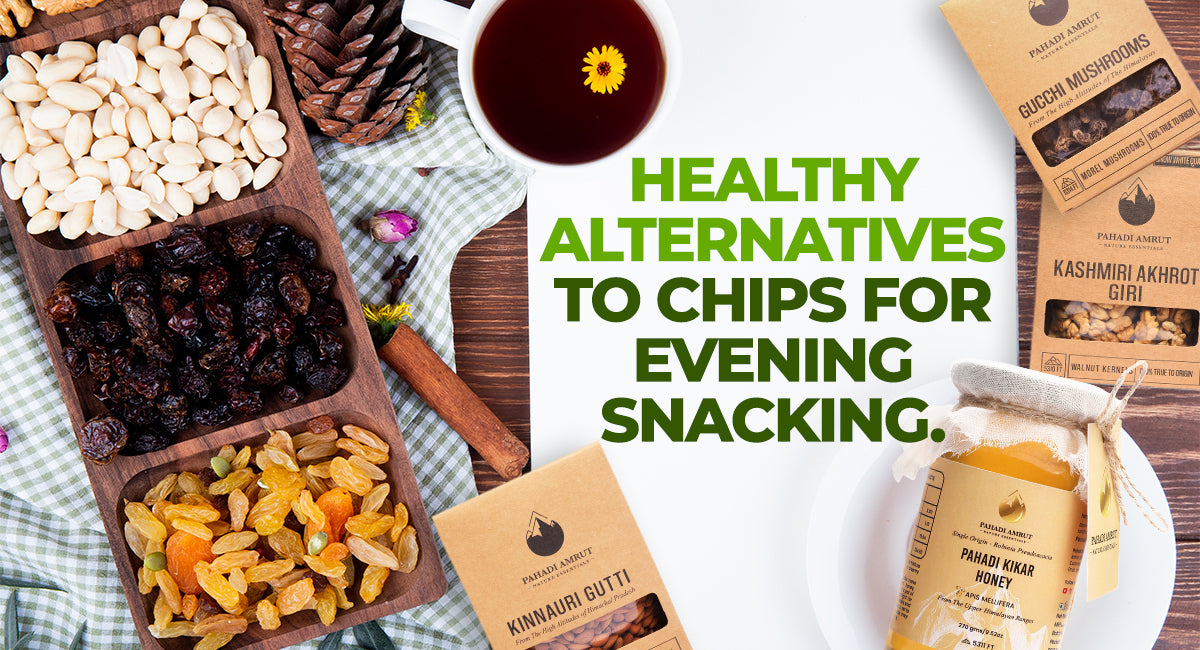
For example, Pahadi Amrut sources products such as Kashmiri almonds, Kashmiri walnuts, and Kinnauri apricot kernels from Himalayan regions, with an emphasis on natural sourcing and traditional agricultural practices.
What Is Driving the Comeback?
The comeback of traditional Indian foods is not happening for just one reason. It is the result of changing priorities around health, convenience, authenticity, sustainability, and even how food is discovered.
Gen Z Wants Food With a Story
For Gen Z, food can be more than something to eat. It can reflect identity, culture, lifestyle, and personal values.
Research from Ipsos highlights how Gen Z food choices are influenced by health goals, convenience, cost, climate awareness, ethical values, and digital influence.
That gives traditional Indian foods an interesting advantage.
Sattu has a regional story. Millets have an agricultural history. Kashmiri walnuts have a geographic identity. Fermented foods carry generations of culinary knowledge.
In other words, these foods have an identity beyond their nutrition label.
Wellness Is Moving Towards Everyday Food
People are increasingly looking for ways to improve their diets without turning every meal into a complicated health routine.
That is where traditional foods fit.
Instead of buying a highly engineered "superfood" for every nutritional goal, consumers can add familiar ingredients such as millets, nuts, fermented foods, or sattu to meals they already eat.
This shift is visible in India's changing snacking habits, where younger consumers are increasingly interested in protein-rich foods, clean labels, and transparent ingredients. A 2026 healthy-snacking survey reported that 86% of respondents considered protein important when choosing snacks, while 62% prioritised clear ingredient information.
Social Media Is Making Old Foods Look New
Instagram, YouTube, and short-form videos have changed how people discover food.
A traditional recipe that may have been ignored in a family kitchen can suddenly become interesting when presented as a quick breakfast, high-protein snack, aesthetic bowl, or easy recipe.
That matters for Gen Z because food discovery is increasingly visual and social. Mintel's 2026 research on Indian Gen Z also highlights the importance of authenticity, novelty, and visual appeal in food experiences.
The result is a new way of presenting old ingredients without necessarily changing what makes them traditional.
Convenience Matters More Than Ever
Traditional food does not automatically mean complicated food.
Sattu can become a quick drink. Makhana can be roasted in minutes. Nuts can be eaten straight from the pack. Millet flour can be turned into a quick dosa or roti.
For busy students, young professionals, and fitness-focused consumers, that convenience makes traditional ingredients easier to bring into everyday routines.
People Are Questioning Highly Processed Foods
Another part of the comeback is a growing interest in what actually goes into packaged food.
Consumers are increasingly checking ingredient lists and looking for foods that feel closer to their original form. This does not mean every traditional food is automatically healthier, but it does explain why minimally processed ingredients are getting more attention.
Traditional foods can therefore offer something modern food culture often struggles to provide: simplicity with cultural familiarity.
Local and Regional Foods Are Becoming Aspirational
There was a time when many regional Indian foods were considered ordinary or even "old-fashioned."
That perception is changing.
Regional ingredients are now being positioned as premium, artisanal, sustainable, and authentic. Himalayan nuts, heritage grains, regional honey, traditional pulses, and indigenous food practices are gaining attention beyond their original communities.
The Indian foods making a comeback are therefore not simply being brought back from the past. They are being reintroduced with a new sense of value.
From Grandma's Pantry to Gen Z's Snack Shelf
The comeback of traditional Indian foods shows that food trends do not always move forward. They sometimes circle back.
Makhana, sattu, millets, fermented foods, jaggery, ghee, and traditional nuts were already part of Indian food culture. What is different today is how people discover them and how they fit them into modern lifestyles.
Dry fruits are a particularly simple example. Pahadi Amrut brings Himalayan varieties such as Kashmiri almonds, Kashmiri walnuts, and Kinnauri apricot kernels to modern consumers, focusing on natural sourcing and traditional agricultural practices.
Its dry fruits are positioned around authenticity, regional origin, and minimal processing rather than unnecessary treatment or artificial shine.
For Gen Z, that combination works: real food, a clear origin, a good story, and something that fits easily into an everyday routine.
The future of Indian food may not be about replacing tradition with something new. It may be about taking what our kitchens already got right and making it relevant again.
FAQs
What traditional Indian foods are becoming popular again?
Makhana, sattu, millets, fermented foods, jaggery, ghee, and traditional dry fruits and nuts are among the old Indian foods becoming popular again. They are increasingly being used in modern snacks, breakfast foods, fitness diets, and everyday meals.
Why are traditional Indian foods becoming popular again?
Traditional Indian foods are gaining popularity because consumers are paying more attention to nutrition, ingredient transparency, convenience, regional authenticity, and less-processed foods. Social media has also made traditional ingredients easier for younger audiences to discover.
Which Indian superfoods are trending among Gen Z?
Makhana, millets, sattu, nuts, seeds, and fermented foods are among the traditional Indian superfoods getting attention from younger consumers.
Their popularity is linked to convenience, wellness trends, social-media-friendly presentation, and interest in familiar ingredients.
Are dry fruits becoming an everyday snack?
Yes. Dry fruits are increasingly being used as convenient everyday snacks rather than being limited to festivals and special occasions. Almonds, walnuts, and other nuts can be eaten on their own or added to breakfast bowls, yoghurt, smoothies, salads, and homemade snack mixes.